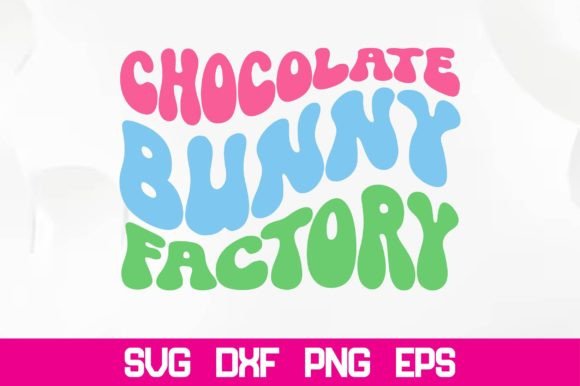
Chocolate Bunny Factory Retro SVG Review
As a designer who spends half my day troubleshooting stitch paths and the other half worrying about whether a client’s vision will actually survive the embroidery machine, I don’t just look at a design file. I look at its potential. When Chocolate Bunny Factory Retro SVG landed on my desk, I didn’t just see a cute bunny; I saw a specific aesthetic, a specific customer, and a specific set of technical challenges that come with bringing retro graphics into the physical world of thread and fabric.
This review is for the makers, the Etsy sellers, and the small business owners who need to know if this asset is worth their time before they commit to production. We are looking at this through the lens of real-world application: Will it sell? Will it stitch well? Does it feel like a premium handmade product or a cheap novelty item?
The First Impression: Mood and Market Fit
The moment you open the file, the vibe is unmistakable. This isn’t a delicate, Victorian-era floral arrangement. This is bold, nostalgic, and playful. The "Retro" descriptor in the title is doing heavy lifting here, suggesting a color palette and line work that harkens back to mid-century packaging or vintage candy wrappers. For the modern crafter, this is gold. It taps into the massive trend of nostalgia-driven decor and apparel.
In terms of visual personality, the design feels approachable but polished. It has the kind of character that stops someone from scrolling past an Instagram ad. It suggests fun, sweetness, and a bit of whimsy. This makes it an excellent candidate for holiday embroidery, particularly around Easter or springtime events, but its retro charm allows it to transcend the season. It could easily fit into a year-round "cottagecore" or "retro kitchen" aesthetic.
From a branding perspective, this design screams craft business viability. It is distinct enough to build a brand identity around—think pastel-colored tote bags, mustard-yellow aprons, or soft grey sweatshirts. It doesn’t rely on complex gradients that often fail in digitization; instead, it relies on shape and contrast, which are the bread and butter of successful machine embroidery design.
Real-World Application: Where This Design Shines
Let’s talk about where this embroidery file would actually live in your shop. I envision this design on a structured canvas tote bag design. The sturdy fabric provides a perfect neutral backdrop for the retro colors, allowing the design to pop without distortion. Alternatively, consider a high-quality cotton apron for a baker or chef. The theme aligns perfectly with homemade treats, creating a cohesive story between the product and the garment.
For those selling personalized gifts, this design offers flexibility. It works beautifully on baby onesies or burp cloths, provided the scale is managed correctly. The rounded shapes of a bunny are generally safe for baby items, avoiding sharp edges that might look aggressive. However, the true strength here lies in its versatility as a commercial embroidery asset. Because the vector format (EPS) is editable, you can tweak the text or adjust the proportions to fit different merchandise lines, from sweatshirt embroidery to embroidered patches for denim jackets.
I also see this performing well as a standalone embroidered patch. Patches are a huge market right now, and a bold, retro graphic translates exceptionally well when stitched onto a felt or twill backing. It gives the finished product a streetwear edge while maintaining that sweet, sugary theme. If you are an Etsy seller, listing this as part of a bundle with complementary retro elements could significantly boost your average order value.
Technical Considerations and Potential Pitfalls
Not every design stitches the same way, and Chocolate Bunny Factory Retro SVG comes with its own set of considerations. While the vector source is clean, the translation to thread depends entirely on how it was digitized. You must check the stitch density carefully. Retro designs often use large areas of fill stitch to create solid blocks of color. If the density is too high, the fabric may pucker, especially on lighter materials like thin cotton tees or silk blends.
Pay close attention to the hoop size limitations. If the design is intended for a larger area, ensure your customers have machines capable of handling it. Conversely, if you plan to scale it down for small details, be wary of losing definition. Small corners on the bunny’s ears or intricate details in the background pattern can become muddy if the stitch count is too low or if the thread tension isn’t perfectly calibrated.
Fabric choice is critical. Avoid stretchy knits unless you are using a stabilizer specifically designed for them. The weight of the thread combined with the movement of the fabric can lead to skipped stitches or misalignment. Similarly, textured fabrics like bouclé or heavy tweed might hide the details of the design, making it look blobby rather than crisp. Stick to smooth weaves like canvas, denim, or tightly woven cotton for the best results.
Stitch Types and Clarity
Depending on the digitization, this design likely utilizes a mix of satin stitch for outlines and borders, and fill stitch for the main body of the bunny. Satin stitches should be reviewed for width; overly wide satin stitches on curved lines can cause ridging. Running stitches, if used for fine details, must be short enough to maintain integrity but long enough to prevent tangling. Always test the thread colors against your fabric. A light pastel bunny on a white shirt might lack contrast, whereas the same design on navy blue or forest green would be striking.
Designer’s Checklist Before Production
Before you rush to list this as a small shop product, run through this practical checklist. It separates the professional result from the amateur attempt.
- Test on Scrap: Never assume. Stitch the design on the exact fabric you plan to sell. Check for puckering, thread breaks, and color accuracy.
- Check Stabilizer Compatibility: Ensure you are using the right stabilizer for the fabric weight. Hoop-away stabilizers are great for wovens, while cut-away may be needed for knits or permanent applications.
- Review Licensing: Since this is a digital asset, verify the commercial use rights. Can you sell unlimited finished products? Are there restrictions on digital resale? Clear licensing protects your creative entrepreneur business from legal headaches.
- Mockup Testing: Create a printable mockup to show customers how the design looks on different garments. This helps manage expectations regarding size and placement.
- Inspect Details: Zoom in on the EPS file. Are any lines too thin to stitch? Can they be thickened in Illustrator or Inkscape before converting to an embroidery project format?
Final Verdict: Is It Worth the Investment?
Chocolate Bunny Factory Retro SVG is more than just a seasonal clipart image; it is a versatile design asset with strong commercial appeal. Its retro aesthetic resonates with current trends, and its vector nature allows for customization that adds value to your offerings. Whether you are creating custom apparel, personalized gifts, or digital product previews, this design has the potential to drive engagement and sales.
The key to success lies in execution. By paying attention to stitch density, fabric choice, and proper stabilization, you can transform this digital file into a tangible, high-quality finished product that customers will love. It fits seamlessly into the portfolio of any graphics and crafts professional looking to add a touch of nostalgic charm to their collection. If you are ready to elevate your handmade product line with a design that balances cuteness with cool, this is a smart addition to your toolkit.