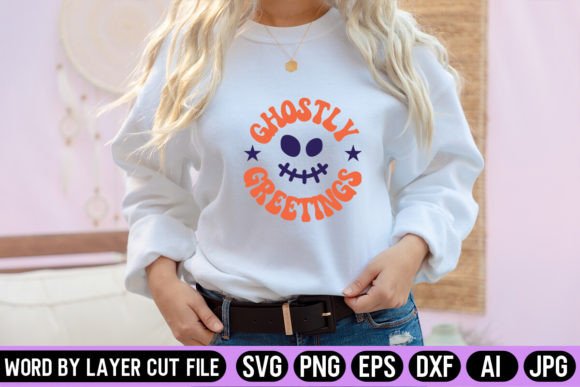
Ghostly Greetings Retro SVG Design
When I sit down to evaluate a new digital asset for my embroidery studio, I am rarely looking for just another pretty picture. I am looking for viability. Can this design survive the hoop? Will it hold up after twenty wash cycles? Does it communicate clearly when stitched into thread? Today, I am putting Ghostly Greetings Retro SVG Design through that same rigorous mental filter. As an experienced designer who has shipped thousands of handmade units and consulted on commercial embroidery workflows, I view this file not merely as a graphic, but as a production-ready component waiting to be realized.
The category is listed broadly under Crafts and Graphics, but in practice, this falls squarely into the realm of seasonal apparel and boutique decor. The title suggests a playful, nostalgic tone, which immediately signals to me that this piece is built for engagement. It is not subtle; it is meant to be seen, worn, and shared. My first impression upon opening the download package—a single .zip containing Ai, SVG, PNG, EPS, and DXF files—is one of organized readiness. For any serious craft business owner or Etsy seller, having these varied formats means you are not locked into a single workflow. You can move from vector editing in Illustrator to direct machine reading via DXF with minimal friction.
Visual Personality and Mood Assessment
Before we talk about stitch types, we must talk about visual weight. The "Retro" aspect of Ghostly Greetings Retro SVG Design implies a specific color palette and typographic treatment—likely muted pastels, bold outlines, or vintage typography styles that evoke the 1970s or early 80s. This mood is crucial because it dictates your fabric choice. A design with this personality clashes violently with sterile, modern minimalist aesthetics. Instead, it thrives on texture. It wants to live on a heavy cotton canvas tote bag or a soft, heathered sweatshirt. The "Word By Layer" structure mentioned in the description is a significant technical advantage. It allows for complex layering effects that mimic high-end applique or multi-thread satin work without requiring the user to manually separate every pixel. This structural intelligence is what separates a beginner’s cut file from a professional-grade digital embroidery file.
Real-World Application: The Tote Bag Scenario
To understand how this design performs, let us imagine a concrete project. I am preparing a custom order for a local artisan market. The product is a natural-colored, organic cotton tote bag design intended for a Halloween pop-up shop. The client wants something that feels spooky but approachable, avoiding the gore-heavy trends of the season. Ghostly Greetings Retro SVG Design fits this brief perfectly. Because the design likely relies on strong silhouettes and clear lettering, it translates exceptionally well to large-format stitching. When placed centrally on the front panel of the bag, the retro aesthetic pops against the neutral background. Customers walking by the booth will read the message instantly. In retail, legibility is currency. If a customer has to squint to decipher the text, the perceived value of the handmade product drops. This design’s layout prioritizes readability, ensuring that the emotional hook—the greeting itself—is the first thing the eye catches.
Performance on Apparel and Soft Goods
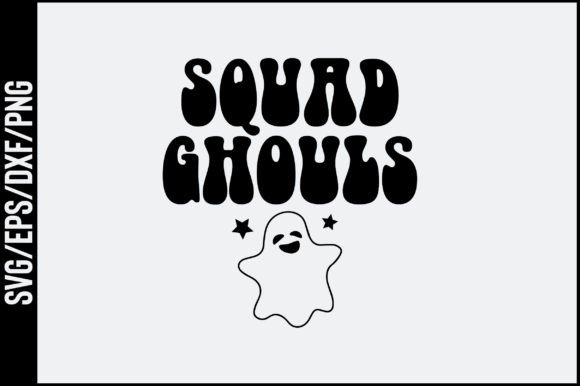
Beyond bags, this asset is versatile enough for sweatshirt embroidery and nursery decor. Imagine a unisex crewneck sweatshirt in a dusty sage green. Stitching the ghostly figure in white or cream thread creates a striking contrast that feels both cozy and slightly eerie. The "Word By Layer" feature becomes particularly useful here if you intend to use different thread colors for the text versus the graphic element. You can isolate the letters to stitch them in a contrasting satin stitch while filling the ghost shape with a softer fill stitch. This variation in stitch density adds tactile depth, making the finished product feel expensive and thoughtfully crafted. For baby embroidery, such as on a onesie or blanket, the retro style offers a gender-neutral, timeless appeal that parents often prefer over overly cutesy or trendy motifs.
Where Caution Is Required
However, no design is universally perfect, and I must highlight where Ghostly Greetings Retro SVG Design requires careful handling. If you plan to use this on a curved surface like a baseball cap, the flat nature of the vector may distort if not properly digitized or hooped. Curved surfaces demand precise tension adjustments. Furthermore, avoid using this on thin, stretchy fabrics like jersey knits without a heavy-duty stabilizer. The weight of the threads, particularly if you opt for dense fill areas, can pucker lightweight materials, ruining the drape of the garment. Additionally, be mindful of small details. If the original vector contains extremely fine lines or tiny decorative accents, these may get lost in the stitching process depending on your machine’s needle size and thread count. Always inspect these corners before committing to a full run.
Technical Workflow and Production Notes
As a reviewer, I advise treating this file as a starting point for production, not a final print. Even though it is a vector, converting it to a machine-readable format requires judgment. You must review the stitch density during your conversion process. If the software auto-generates a density that is too high, you risk breaking needles or creating stiff, uncomfortable patches. Conversely, if the density is too low, the fabric backing will show through, looking cheap. Test the design on scrap fabric first. Check thread colors against your actual stock. A color that looks vibrant on screen might appear muddy in polyester thread. Use proper stabilizer appropriate for your base fabric—cut-away for stretchables, tear-away for wovens—and confirm your hoop size accommodates the largest dimension of the design with room for maneuvering.
Commercial Viability and Brand Consistency
For the small shop product creator, the inclusion of multiple file formats (Ai, SVG, EPS) means you can also use this as a printable mockup source or a sublimation transfer. This versatility increases the ROI of the purchase. If you are building a brand around retro, spooky, or whimsical themes, this design reinforces brand consistency. It signals to your audience that you pay attention to aesthetic cohesion. Buyers trust sellers who present products with clear, professional execution. A well-stitched embroidered patch featuring this design tells a story of quality. It suggests that you care about the details, which translates directly to higher customer retention and positive reviews.
Final Verdict
Ghostly Greetings Retro SVG Design is a robust, mood-driven asset that bridges the gap between casual crafting and professional merchandising. Its strength lies in its clear visual hierarchy and flexible file structure. It excels on structured items like totes and caps, provided you manage tension and stabilizers correctly. It brings a touch of nostalgia that resonates with buyers seeking unique, personalized gifts. While I cannot verify exact stitch counts or specific machine compatibility without testing the converted file on your hardware, the foundational vector quality appears sound for professional use. For the discerning maker who values both aesthetic charm and production efficiency, this design earns a place in the library. Just remember: always test on scrap, respect the fabric’s limitations, and let the quality of your stitching speak louder than the design itself.