Refuse to Sink Retro SVG Review
When I sit down at my design desk, I am rarely looking for just another pretty picture. As an embroidery designer and reviewer, I am constantly hunting for design assets that translate well from a screen to the needle. Today, I am evaluating the Refuse to Sink Retro SVG, a file that sits squarely in the intersection of crafts and graphics. My goal is to determine if this specific digital embroidery file holds up under the scrutiny of real-world production, whether for a personal gift or a commercial batch for an Etsy shop.
First Impressions: Mood and Visual Personality
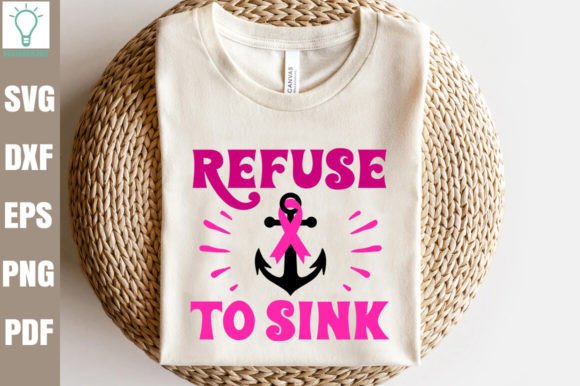
The moment you load the Refuse to Sink Retro SVG into your software, the aesthetic is immediately recognizable. It leans heavily into vintage typography and bold, retro shapes. For an embroiderer, the "retro" label often raises a red flag regarding stitchability. Many retro designs rely on thin lines or complex gradients that dissolve into mush when stitched with thread. However, this design appears to prioritize solid shapes and clear lettering, which is a promising start for a machine embroidery design.
The mood it creates is one of resilience and nostalgia. It feels like something you would see on a 1970s surfboard or a vintage protest sign, reimagined for modern apparel. This visual personality makes it highly versatile. It is not overly sentimental, nor is it aggressive. Instead, it strikes a balance that appeals to a wide demographic, making it a strong candidate for custom apparel targeting young adults, craft fair shoppers, or boutique clothing brands.
Real-World Application: The Tote Bag Scenario
To truly test any embroidery file, I need to imagine it on a physical object. Let’s look at a common use case: a custom embroidered tote bag for a small business owner selling handmade goods. Imagine a canvas tote being prepared for a local market. You place the Refuse to Sink Retro SVG on the front panel. Because the design features bold blocks of color and thick strokes, it will hold its structure well against the woven texture of the canvas.
In this scenario, the design performs exceptionally well as a statement piece. Unlike delicate floral patterns that might get lost in the fabric weave, this retro graphic commands attention. It works beautifully as a tote bag design because the message is legible even from a distance. If you were to switch to a softer fabric, like a linen blend, the contrast between the structured retro shape and the natural fiber would create a sophisticated, artisanal look. This is exactly the kind of handmade product that drives engagement on social media platforms like Instagram or Pinterest.
Apparel and Sweatshirt Embroidery
Beyond bags, this design translates seamlessly to sweatshirt embroidery. The retro theme pairs naturally with heavy cotton blends found in crewnecks and hoodies. When placed over the heart or centered on the back, the Refuse to Sink Retro SVG adds a layer of depth that print-on-demand services often struggle to replicate. Thread has dimension; ink does not. By using high-quality polyester threads, you can make the retro colors pop against dark heathered fabrics, creating a premium feel that justifies a higher price point for Etsy sellers and small shop products.
Where to Exercise Caution
No design is perfect for every surface. While the Refuse to Sink Retro SVG is robust, there are specific situations where an experienced designer should pause. First, consider hoop size. If the design includes intricate corner details or very fine typography, attempting to fit it into a small hoop (such as a 4x4 inch) may result in distortion or loss of detail. Always check the bounding box before starting.
Furthermore, be mindful of stitch density. Retro designs often use large areas of fill stitch. If your machine is set to a default density that is too high for the fabric type, you risk puckering. This is particularly true for stretchy fabric used in baby clothes or athletic wear. In these cases, a water-soluble stabilizer or a cut-away stabilizer is essential to maintain the integrity of the embroidery project.
Another area of caution is dark fabric. While bold colors work well, ensure your thread selection offers enough contrast. A light pastel thread on a black background might disappear unless you use a dense satin stitch outline. Conversely, bright neon threads on a white background can sometimes vibrate visually, causing eye strain. Test your thread colors carefully.
Technical Considerations for the Maker
For those of us who sell finished items, licensing is paramount. The download includes SVG, DXF, PNG, EPS, and PDF formats, which suggests versatility across cutting machines like Cricut Design Space and Silhouette Studio. However, you must verify the specific license terms before using this digital embroidery file for commercial embroidery projects. Does the license allow you to sell the physical finished product? Can you sell the digital file itself? These distinctions matter immensely for craft business owners.
I also recommend testing the design in black and white mockups before committing to thread purchases. This helps you evaluate the balance of positive and negative space. If the design looks cluttered in grayscale, it will likely look cluttered in color. Additionally, inspect the small details. Are there tiny elements that might require excessive trimming? Trimming adds time to your production process, so minimizing unnecessary trim jumps can improve your efficiency.
Final Verdict on Visual Appeal and Value
Ultimately, the Refuse to Sink Retro SVG scores high on visual appeal and brand consistency. It gives a finished product a professional, curated look that resonates with buyers who value authenticity. For creative entrepreneurs looking to expand their catalog, this design fits naturally into categories like holiday gifts, wedding favors, or nursery decor. Its retro charm offers a timeless quality that avoids fleeting trends, ensuring your inventory remains relevant longer.
Whether you are creating a personalized gift for a friend or stocking shelves for a boutique, this design provides a solid foundation. It is sturdy enough for heavy-duty applications like aprons and patches, yet stylish enough for delicate baby embroidery projects. By paying attention to fabric choice, stabilizer usage, and thread contrast, you can transform this simple graphic into a standout piece of wearable art.
In conclusion, the Refuse to Sink Retro SVG is a practical, aesthetically pleasing addition to any designer’s library. It bridges the gap between digital graphics and tactile craftsmanship effectively. Just remember to test thoroughly, respect the limitations of your materials, and always prioritize the user experience of your final customer.