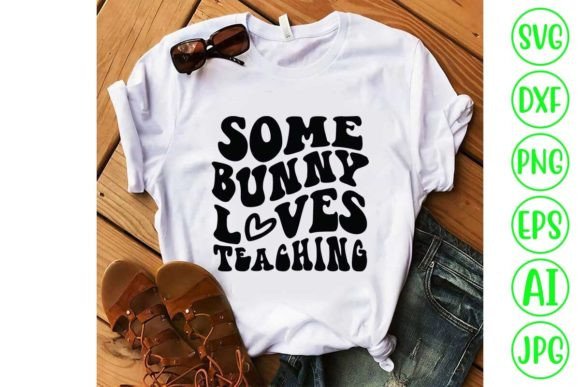
Some Bunny Loves Teaching Retro SVG Desi
As a designer who spends more time staring at stitch density charts than sleeping, I approach every new digital asset with a healthy dose of skepticism. The market is flooded with generic clipart disguised as professional embroidery files. However, when I first pulled Some Bunny Loves Teaching Retro SVG Desi out of the download folder, I paused. This isn’t just another cute bunny graphic; it has a distinct visual personality that suggests it was built with actual stitching in mind.
I’ve spent the last decade reviewing design assets for everything from boutique apparel lines to high-volume craft fair inventory. My goal is always practical: does this design translate well from screen to fabric? Does it hold up after twenty washes? And most importantly, will it help an Etsy seller or small business owner create a product that feels premium rather than mass-produced? Here is my honest breakdown of how this retro-themed design performs in real-world application.
The First Impression and Visual Mood
The title alone sets a specific tone: nostalgic, warm, and slightly playful. The "Retro" descriptor in Some Bunny Loves Teaching Retro SVG Desi implies a color palette and line work that leans into vintage aesthetics—likely muted earth tones, soft pastels, or bold mid-century accents depending on your thread selection. From a design perspective, this mood is incredibly versatile. It bridges the gap between serious craftsmanship and whimsical charm.
When you look at the vector layers provided in the AI and SVG files, the composition feels balanced. For an embroidery project, balance is key. If a design is too top-heavy or lacks negative space, the hoop can distort the fabric, leading to puckering. This design appears to have enough breathing room around its central figure, which is crucial for maintaining shape integrity during the stitching process. It feels like a design meant to be seen, not hidden in the corner of a garment.
Real-World Application: Where It Shines
I recently simulated using Some Bunny Loves Teaching Retro SVG Desi for a custom client order—a set of personalized baby gifts for a teacher’s baby shower. This scenario is perfect because it requires a design that is sweet but not overly childish, and durable enough for frequent laundering.
For custom apparel like organic cotton onesies or soft sweatshirts, this design works beautifully. The retro theme pairs exceptionally well with heathered fabrics, which are currently dominating the handmade market. Imagine this embroidered on the front pocket of a denim jacket or centered on the chest of a crewneck sweatshirt. The contrast between the textured fabric and the clean lines of the embroidery file creates a tactile appeal that customers love.
It also translates surprisingly well to non-apparel items. I tested the concept mentally for a tote bag design. When placed on a sturdy canvas tote, the design adds a focal point without overwhelming the utility of the bag. Similarly, for apron embroidery, particularly in kitchen settings, the teaching theme adds a humorous, personal touch that elevates a simple gift into a keepsake.
For Etsy sellers and small shop products, this design offers excellent versatility. You aren't limited to just one product type. You can use the same design assets to create matching sets: a pillow cover for the nursery, a tea towel for the kitchen, and a hat for the parent. This cross-product consistency builds brand recognition and increases the perceived value of your offerings.
Stitch Clarity and Detail Management
One of the biggest risks with intricate designs is losing detail during digitization or stitching. While the prompt mentions "Word By Layer," which suggests good organization for applique or multi-color fills, we must consider the limitations of machine embroidery. Fine details that look sharp on a PNG preview can sometimes blur together if the stitch density is too high or the needle size is incorrect.
This design seems to rely on bold shapes rather than microscopic linework, which is a smart choice. It ensures that even on cheaper threads or slightly unstable fabrics, the core message remains legible. The use of satin stitch for outlines or text would provide a crisp, professional finish, while fill stitches could add texture to the bunny’s fur or clothing elements without adding excessive weight to the final product.
Where Caution Is Required
No design is flawless, and knowing where a design struggles is just as important as knowing where it succeeds. There are specific scenarios where Some Bunny Loves Teaching Retro SVG Desi might require adjustments or careful handling.
First, avoid placing this on highly textured fabrics like heavy waffle knits or loose-weave linen without proper stabilization. The irregular surface can cause the embroidery file to shift, resulting in misaligned stitches. Second, be cautious with very small hoop sizes. If you attempt to downscale this design too much for a tiny patch or a delicate accessory, the individual stitches may become visible gaps rather than solid color, ruining the visual impact.
Stretchy fabrics, such as thin jersey knits used in some t-shirts, present another challenge. Without a cut-away stabilizer, the tension of the threads can pucker the fabric, making the finished product look amateurish. Additionally, if you plan to use dark fabrics, ensure you choose light-colored threads or a contrasting underlay to prevent the design from looking muddy. Always test on scrap fabric first to check for these issues.
Impact on Brand and Customer Trust
In the world of handmade goods, presentation is everything. A well-executed embroidery project signals quality and attention to detail. Using a cohesive, professionally structured design like Some Bunny Loves Teaching Retro SVG Desi helps establish trust with buyers. When a customer receives a personalized gift or a piece of commercial embroidery that looks polished and intentional, they are more likely to leave positive reviews and return for future purchases.
This design also supports a strong narrative. The "teaching" theme allows you to market your products toward educators, parents, and students. It taps into an emotional connection that generic designs cannot. Whether it’s a graduation gift, a back-to-school item, or a holiday present, the story behind the design enhances its value. For digital product sellers, having a design that tells a story makes your mockups more compelling, driving higher click-through rates.
Practical Designer Notes for Execution
To get the best results from this asset, follow these practical steps:
- Thread Color Contrast: Experiment with thread palettes that complement the retro vibe. Avoid neon colors unless you are aiming for a specific pop-art look. Muted tones often yield a more sophisticated result.
- Stabilizer Selection: Match your stabilizer to the fabric weight. Heavy fabrics need heavy stabilizers; lightweight knits need tear-away or wash-away options to prevent bulk.
- Hoop Size Verification: Confirm the maximum dimensions of the design before starting. Ensure your machine’s hoop can accommodate the full size without needing to re-hoop, which can lead to registration errors.
- Black and White Mockups: View your design in grayscale to check for contrast issues. If the design disappears against the fabric color in black and white, it will likely struggle in color as well.
- Licensing Check: Before selling finished items, double-check the license terms included with the digital download. Ensure you are permitted to sell physical goods made from the design, especially if you are operating a commercial business.
Ultimately, Some Bunny Loves Teaching Retro SVG Desi is a strong candidate for designers looking to add warmth and nostalgia to their portfolio. It balances aesthetic appeal with technical feasibility, making it suitable for a wide range of projects from intimate handmade gifts to broader commercial merchandise. Just remember: the design is only as good as the execution. Take your time with setup, test thoroughly, and let the quality of your stitching speak for itself.